Field notes: the tile that scored high for three years running and never got walked
Every update shop has one: a tile that's flagged, re-flagged, and flagged again, sitting near the top of the change list three fiscal years running, and somehow a crew never gets sent. The travel budget always goes somewhere else first, to whatever looked most urgent the week allocations got decided.
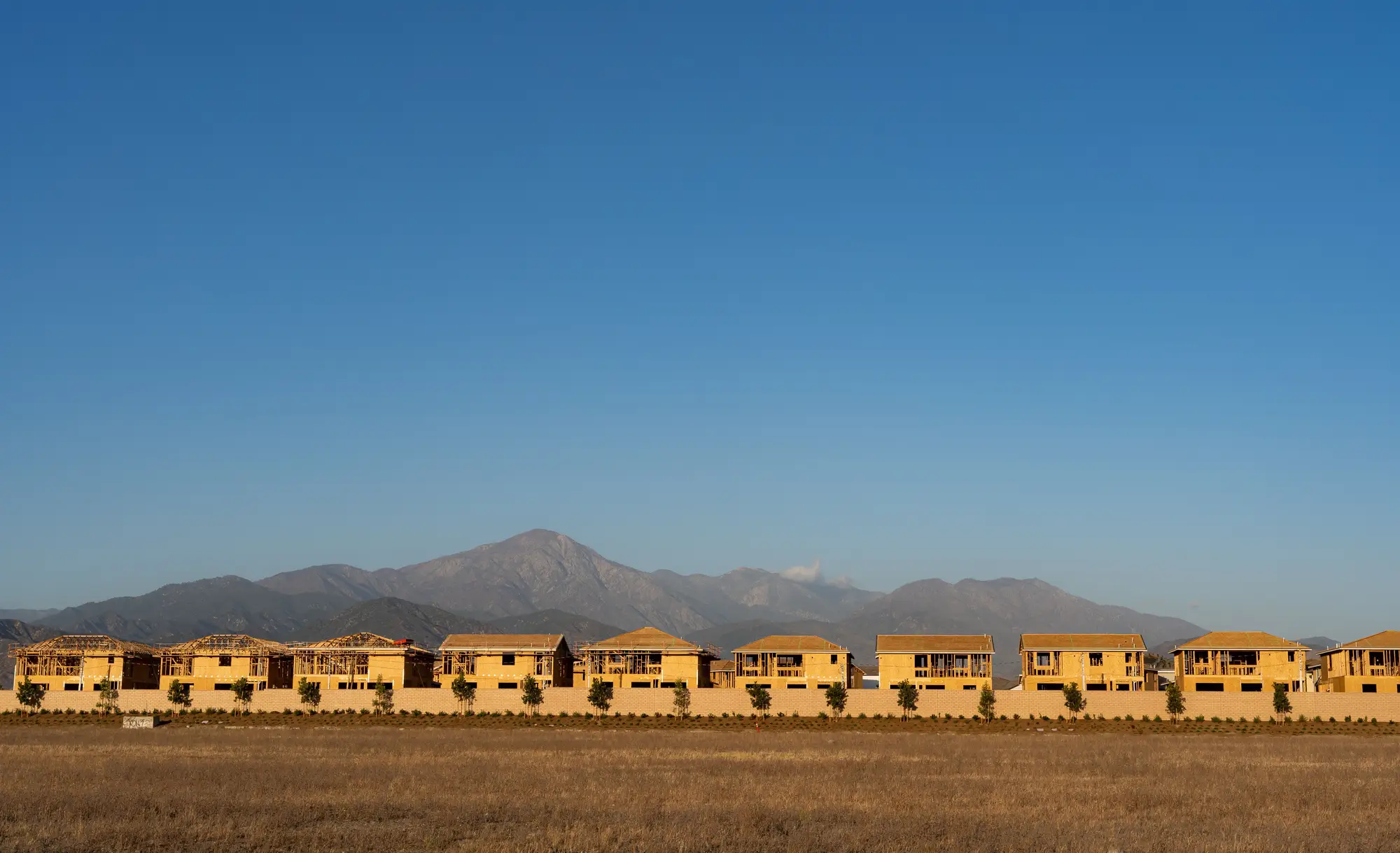
Take one tile in particular, the kind every regional lead has a version of. Call it a grid cell on the edge of a growing county, where a quarry expanded, a frontage road got rerouted, and a subdivision went in on what the basemap still shows as pasture. First year it shows up on the change list, it's new and gets logged as "monitor." Second year, the score climbs because the quarry kept digging and the subdivision finished phase two. Third year, somebody finally writes "priority" next to it in the spreadsheet. Then a bridge washes out two counties over, that crew gets diverted, and the tile rolls into next year's backlog with a note that says, essentially, next year for sure.
This is less a staffing problem than a queue problem. Resurvey prioritization usually runs on whichever tile made the most noise that week: a constituent complaint, a 911 dispatch error, a legislative inquiry about a road that doesn't exist where the map says it does. Noise gets a crew. A tile that's been wrong for three years, with no one calling about it because no one who lives there expects the map to be right anyway, doesn't make noise. It sits in the backlog accumulating change score like interest on a debt nobody's paying down.
A tile's change score accumulates. A parcel that splits once might reasonably wait a cycle, but three consecutive years of build-out, each year adding more square footage the basemap doesn't know about, is a different kind of problem. By year three, the amount of ground truth that's drifted from the map isn't incremental anymore; the tile needs a field crew more than almost anything else on the list, and fixed-cycle resurvey schedules miss it because they run on geography and calendar, not on where the ground actually moved.
The fix is treating three years of climbing scores as a single trend, instead of three isolated flags that each lost a tiebreaker on their own. A tile with a rising change score for three consecutive periods should outrank a tile that spiked once last month and leveled off, even though this month's raw numbers look similar. That's a sorting problem, and most backlog spreadsheets aren't built to solve it, because they track tiles, not trends in tiles.
This is the gap National Change Alerts tracks: a continuously updated worklist that carries change scores forward across cycles, so a tile climbing for three years running shows up as a standing priority, the way it should have the second year. The tile doesn't need another flag. It needs to get walked.
If your backlog has a tile like this one, it's probably already sitting near the top of the worklist, waiting on a tiebreaker it keeps losing. See what's been climbing in your coverage area before the next cycle buries it again.